- Our Insurance CoverOur Insurance Cover
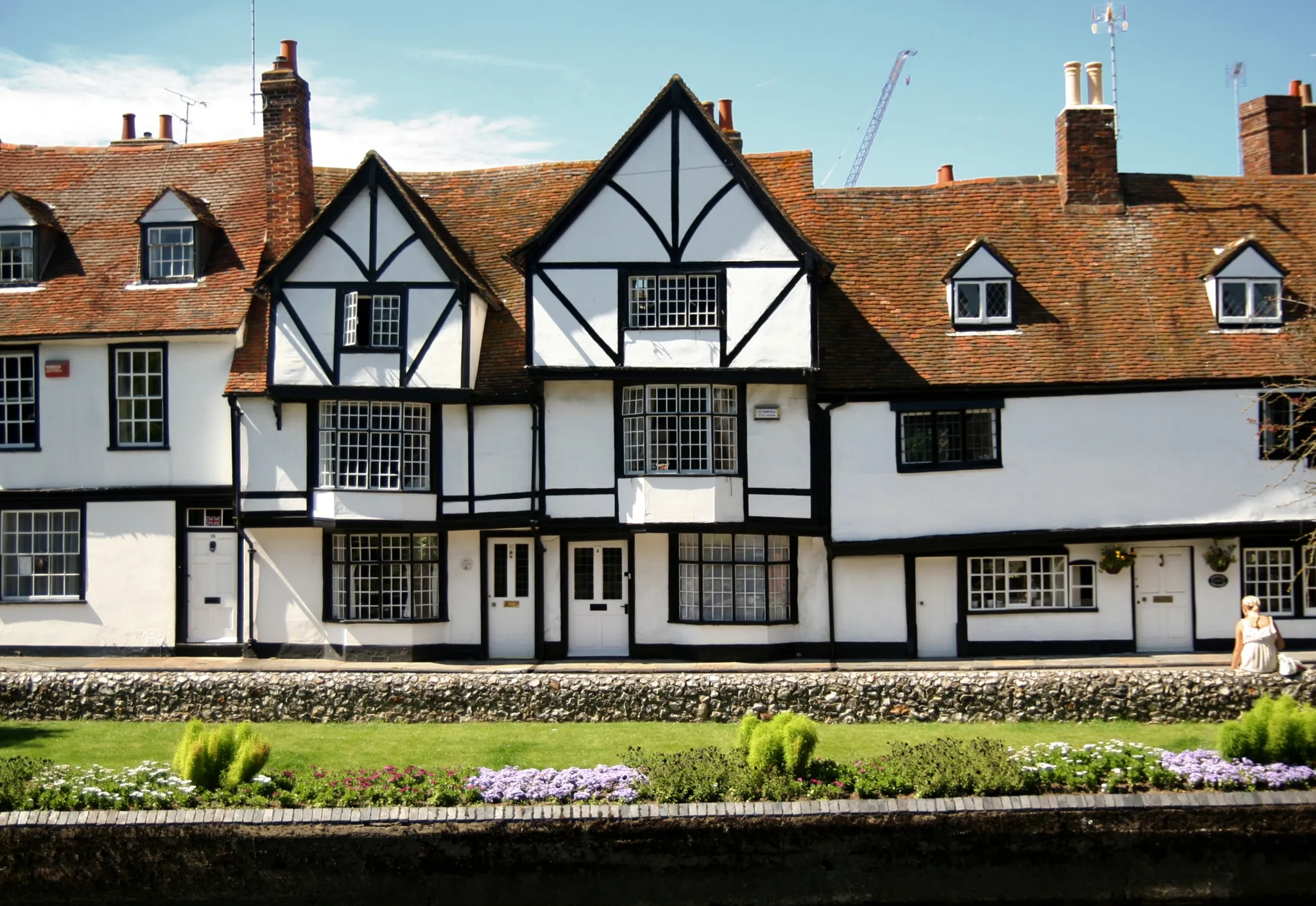
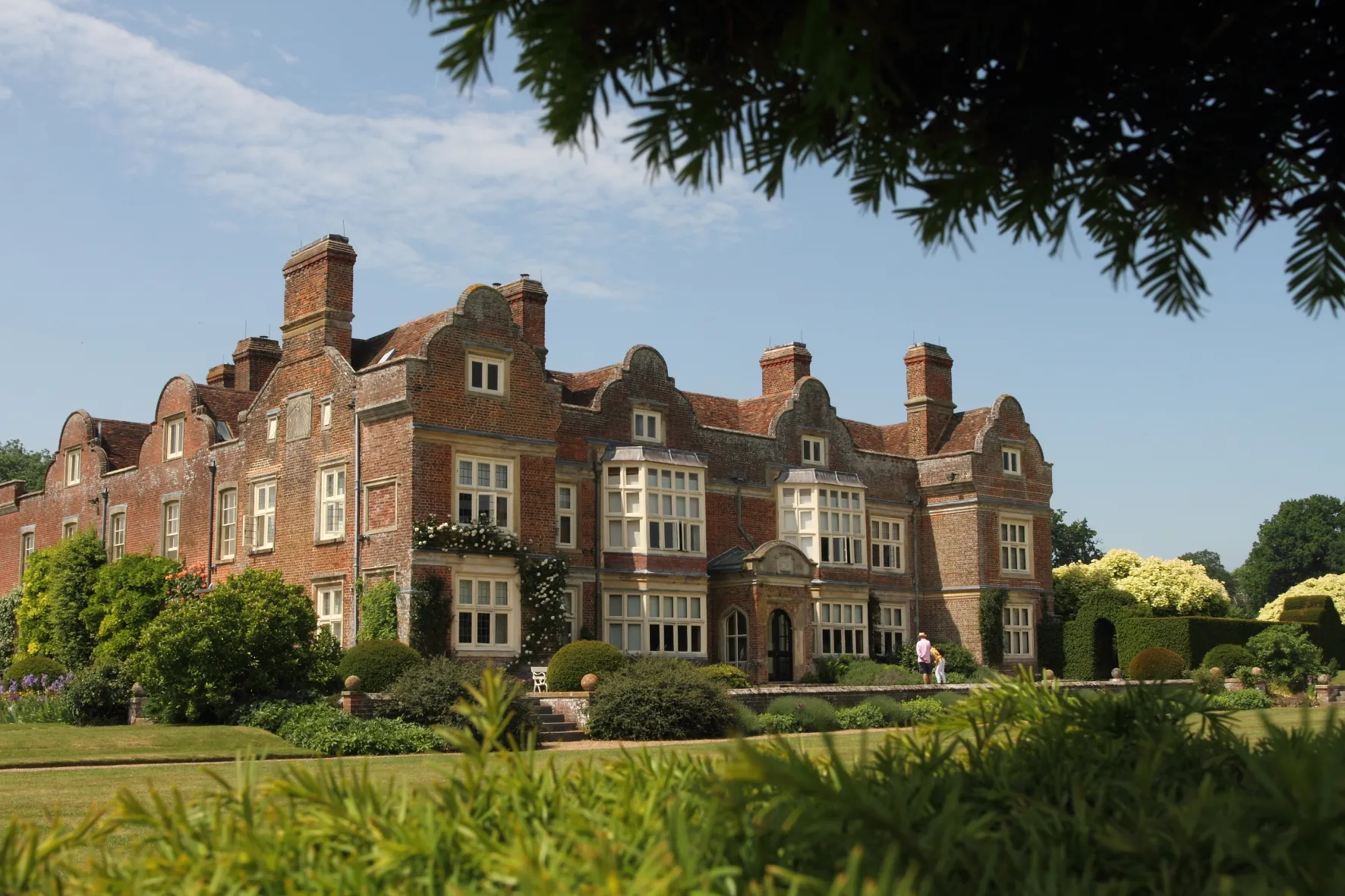
We understand the individual nuances that come with insuring all types of listed property, in every part of the UK, so you can have complete confidence in our service.
- Our Insurance CoverOur Insurance Cover
We understand the individual nuances that come with insuring all types of listed property, in every part of the UK, so you can have complete confidence in our service.
- Listed Home InsuranceListed Home Insurance
Listed properties are important to our heritage and there are laws on the changes you can make to help preserve your home’s unique character. Insuring your home is therefore more complex, but it is also absolutely vital.
- Listed Contents and Collectibles InsuranceListed Contents and Collectibles Insurance
Our listed building contents insurance is specially designed to give you the right level of protection for all your contents and collectibles.
- Contract works insuranceContract works insurance
At Abode Insurance, we understand the unique challenges and rewards of restoring historic properties.
- Listed Home Insurance in ScotlandListed Home Insurance in Scotland
Listed building insurance in Scotland can be complex. Abode are experts in the field and can help you find the right coverage today.
- Useful documents and policy wordingsUseful documents and policy wordings
Please find our policy wordings and IPIDs below.
- Our Insurance CoverOur Insurance Cover
- Contact usContact us
If you’re a current customer, or have any questions, please get in touch.
- Contact usContact us
If you’re a current customer, or have any questions, please get in touch.
- Request a quoteRequest a quote
Request a quote from the specialist team at Abode.
- Introducing to AbodeIntroducing to Abode
Whether you’re a specialist tradesperson, surveyor, estate agent, solicitor, architect, property manager or heritage specialist, we can help ensure your clients receive expert advice and cover designed for the unique needs of older and listed homes.
- Contact usContact us
- About UsAbout Us
Abode is dedicated entirely to finding insurance solutions for listed property owners, and over the last 15 years our friendly team of advisors have insured over 20,000 listed properties, from country estates to quaint country cottages, whatever the grade listing across the UK.
- About UsAbout Us
Abode is dedicated entirely to finding insurance solutions for listed property owners, and over the last 15 years our friendly team of advisors have insured over 20,000 listed properties, from country estates to quaint country cottages, whatever the grade listing across the UK.
- Our ReviewsOur Reviews
Find out what our clients have said about Abode on our trusted review platform Feefo.
- Meet the TeamMeet the Team
Meet the Abode Insurance team.
- Contact usContact us
If you’re a current customer, or have any questions, please get in touch.
- About UsAbout Us
- Refer a friendRefer a friend
If someone you introduce takes out a new listed property insurance policy with Abode, we’ll thank both of you with £50. There’s no limit, so if you choose to refer several friends or neighbours, we’ll thank you for each successful introduction.
- Advice & FAQsAdvice & FAQs
Advice and FAQs
- Advice and FAQsAdvice and FAQs
Advice and FAQs
- Listed property owner’s glossaryListed property owner’s glossary
One of the hardest things about insurance is that it is almost always full of words and phrases not everyone is familiar with. At Abode, we want to make insuring your home as straightforward as possible, so we’ve put together a glossary of terms that you can refer to at any time. We’d recommend bookmarking this page so you can come back to it easily.
- Listed buildings and mortgagesListed buildings and mortgages
Finding a mortgage that’s right for you and your listed home can be time consuming and confusing. That’s where, much like with listed home insurance, working with a specialist broker can make the process less daunting, clearer and less time intensive.
- Resource HubResource Hub
Here you can access our insights.
- Risk management for listed propertiesRisk management for listed properties
With effective risk management you can reduce the likelihood of making a claim on your home insurance.
- Advice and FAQsAdvice and FAQs
- Claims SupportClaims Support
Our philosophy is based on placing our customers at the centre of our decision-making and ensuring that we treat you with empathy at all times. We strive to be responsive, proactive and always communicate in a clear, open and transparent way.
- Claims SupportClaims Support
Our philosophy is based on placing our customers at the centre of our decision-making and ensuring that we treat you with empathy at all times. We strive to be responsive, proactive and always communicate in a clear, open and transparent way.
- Making a ClaimMaking a Claim
We have a dedicated 24/7 helpline so if you need to call out of office hours, you can still reach someone who will advise you and notify us, so we can get back to you as soon as we can.
- Claims SupportClaims Support
- News & ViewsNews & Views
News & Views
- Call usCall us


×